The Urban Astronomer's Starter Kit: Gear That Earns Its Place
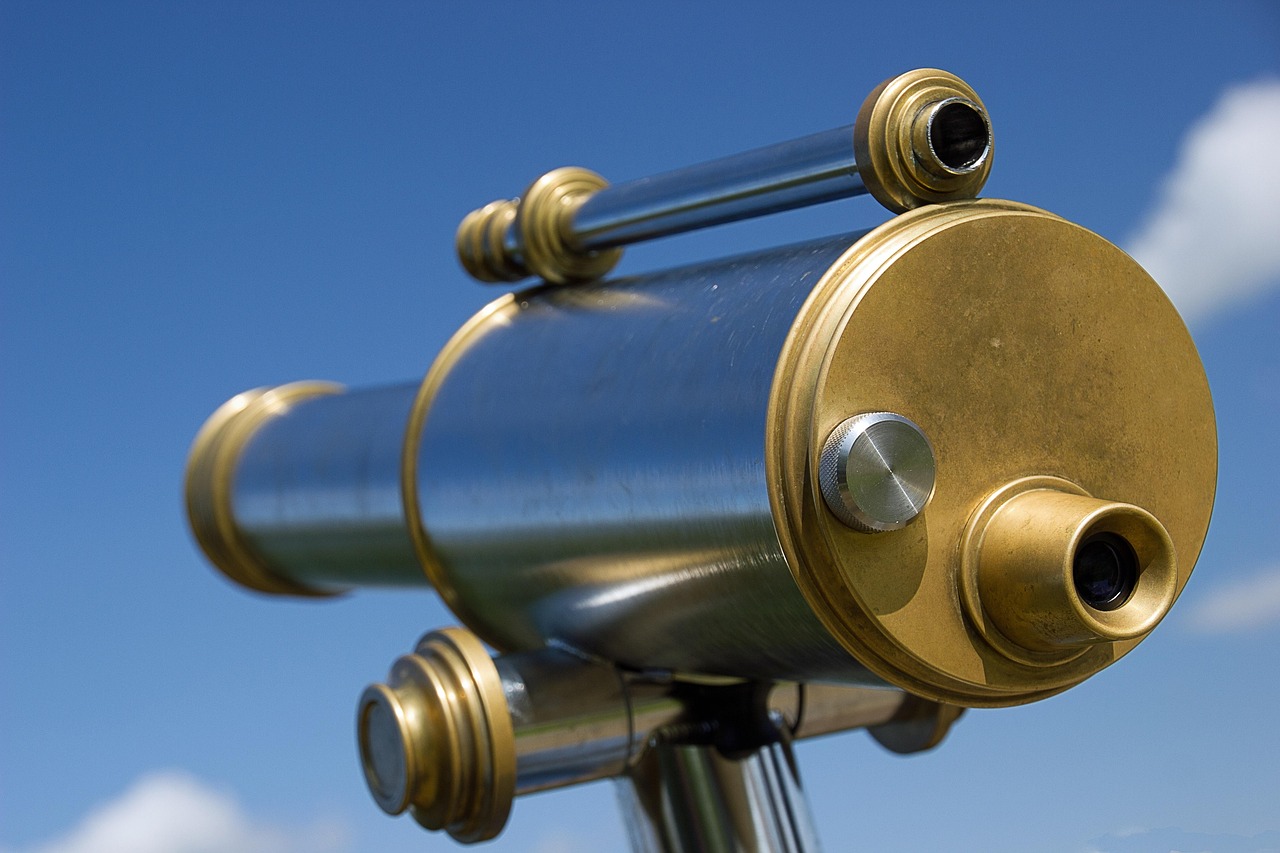
Walk into any astronomy shop and you'll be handed a list of gear that assumes you live under dark skies and have a car to carry it all. City observing is a different sport. Your problems are light pollution, limited space, limited time, and the need to set up and tear down quickly. The gear that earns its place in an urban kit is the gear that solves those specific problems — not the gear that looks impressive in a catalog.
Start with the assumption that you'll be observing from a balcony, a rooftop, a small park, or a sidewalk. Everything you buy should fit in a bag you can carry on foot and set up in under five minutes. That constraint will save you money and frustration.
The Essentials Worth Buying First
Binoculars are the single best first purchase for a city stargazer. A pair of 7x50s or 10x50s gathers far more light than your eyes, is easy to hold steady, and works for the Moon, planets, bright clusters, and double stars. They're also useful for daytime birding and travel, which means they won't sit in a closet. Look for fully multi-coated optics and a comfortable eye relief if you wear glasses. You don't need to spend a lot; a solid entry-level pair will outperform a cheap telescope for your first year.
A red flashlight is the second essential. White light destroys your dark adaptation in seconds, and in a city you're fighting for every bit of sensitivity you can get. A red LED flashlight or a headlamp with a red mode lets you check charts, find dropped eyepiece caps, and move around without wrecking your night vision. Many stargazers wrap a layer of red tape or cellophane over a regular flashlight as a cheap alternative.
A star chart or planetarium app rounds out the basics. Paper charts never run out of battery and force you to learn the sky, while apps like Stellarium or SkySafari give you real-time positions and help you find targets quickly. Use both. The app gets you oriented; the chart teaches you the patterns.
Upgrades That Actually Help
If you want to go further, a small telescope — something in the 70mm to 130mm range — can show you lunar craters, Saturn's rings, Jupiter's cloud bands, and brighter deep-sky objects. For city use, portability matters more than aperture. A small refractor or a compact reflector on a simple alt-azimuth mount will get used far more than a large scope you dread setting up. Avoid equatorial mounts for a first scope unless you're specifically interested in astrophotography; they're heavier and slower to align.
A light-shielding hood is a cheap, high-impact accessory. A piece of black foam board, a dark cloth, or even a hoodie pulled over your head blocks stray light and makes faint objects pop. Similarly, a simple observing chair or stool reduces fatigue and steadies your view through binoculars or an eyepiece.
Finally, a small notebook or a notes app. Recording what you saw, when, and under what conditions turns casual looking into real observing. Over a season, you'll build a personal record of your city sky — and you'll be surprised how much you can see when you're paying attention.
Buy slowly. Use what you have. The city sky rewards patience far more than it rewards spending.