The Moon Is the City Astronomer's Best Friend
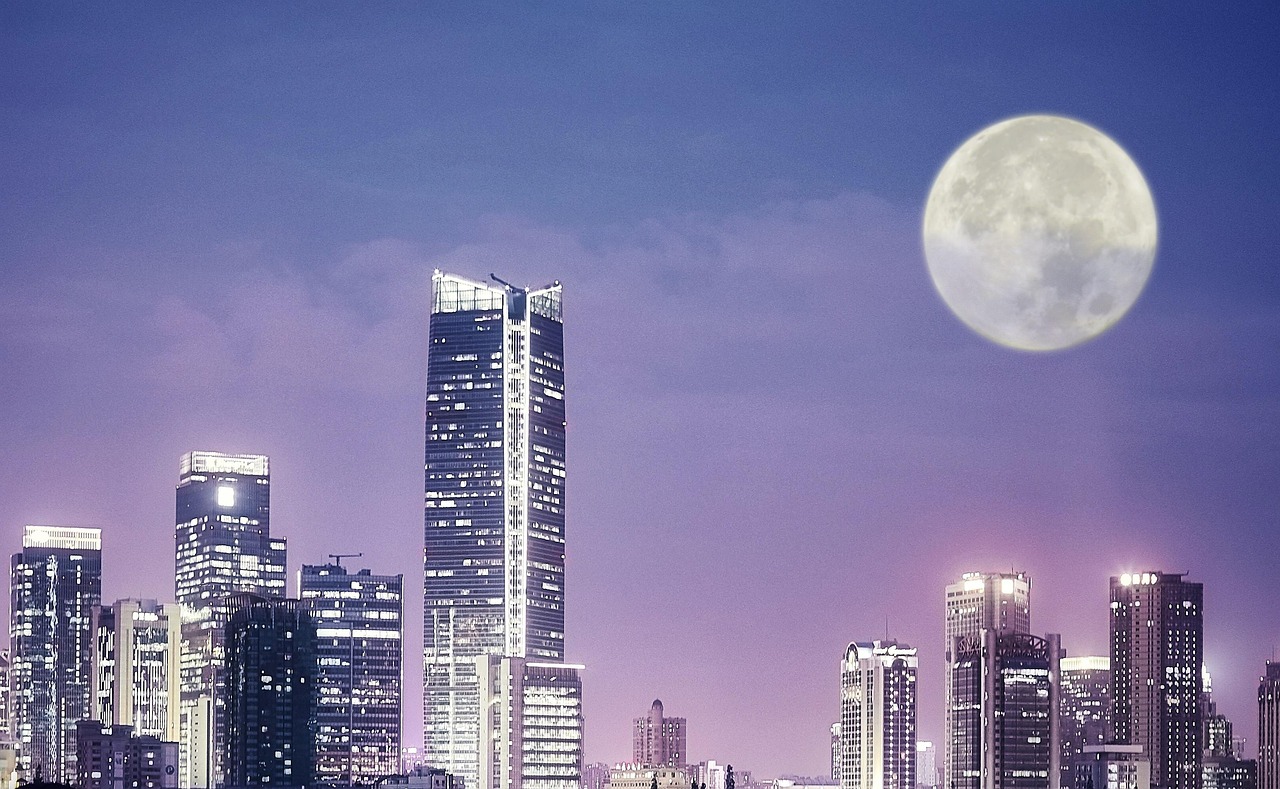
There is a quiet snobbery in astronomy culture that treats the Moon as a distraction — something that ruins dark-sky nights and gets in the way of 'real' observing. From a city, that attitude is backwards. The Moon is the one object that actively benefits from your light-polluted location. It is bright enough to cut through anything, detailed enough to occupy you for years, and it changes every single night. If you are a city dweller who feels shut out of the hobby, the Moon is your way back in.
Start with the terminator — the line between lunar day and night. That is where shadows are longest and detail is most dramatic. Along the terminator you will find mountain ranges casting black shadows across crater floors, isolated peaks catching the first light of lunar dawn, and crater walls that look like they were carved yesterday. The rest of the disk, fully lit, is flatter and less interesting. So the trick is to observe the Moon not when it is full, but when it is a crescent or quarter. Those are the nights when a small telescope or even binoculars will show you something new every few minutes.
What You Can Actually See With Small Gear
You do not need a large instrument. A 60mm refractor or a pair of 10x50 binoculars will show you the major maria, the bright rays of Tycho, and the rough shape of craters like Copernicus and Plato. A 90mm scope starts to resolve craterlets inside Plato on steady nights and shows the Alpine Valley as a distinct gash. Push to 150mm and you are in the territory of rilles, domes, and fine wrinkle ridges — but honestly, most city observers never exhaust what a 90mm can show. The limiting factor is almost never aperture. It is how often you look.
Steady air matters more than clear air for lunar observing. A night that looks hazy often has calmer atmosphere than a crystal-clear night after a cold front, because haze often accompanies stable air. Watch the Moon when it is high in the sky, ideally when it is crossing the meridian. Low-altitude views are mushy because you are looking through more atmosphere. If the Moon looks like it is boiling, pack it in and try another night. Patience is part of the skill.
Building a Lunar Observing Habit
The Moon goes through its full cycle in about 29.5 days, which means if you observe even three or four nights a month, you will see every phase over a season. Pick a few features and follow them through the cycle. Watch the crater Gassendi on the edge of Mare Humorum as the terminator sweeps across it. Follow the Straight Wall, a fault line in Mare Nubium, as it catches the light and then disappears. These small projects turn scattered observing into something that feels like progress.
Sketching is optional but powerful. You do not need to be an artist. A rough pencil outline of a crater and a note about where the shadow fell will train your eye faster than any photograph. And unlike deep-sky imaging, lunar sketching works perfectly from a light-polluted balcony. The Moon does not care about your city. That is exactly why it is worth your time.