Rooftop Sessions: A Practical Guide to Observing From the Top of Your Building
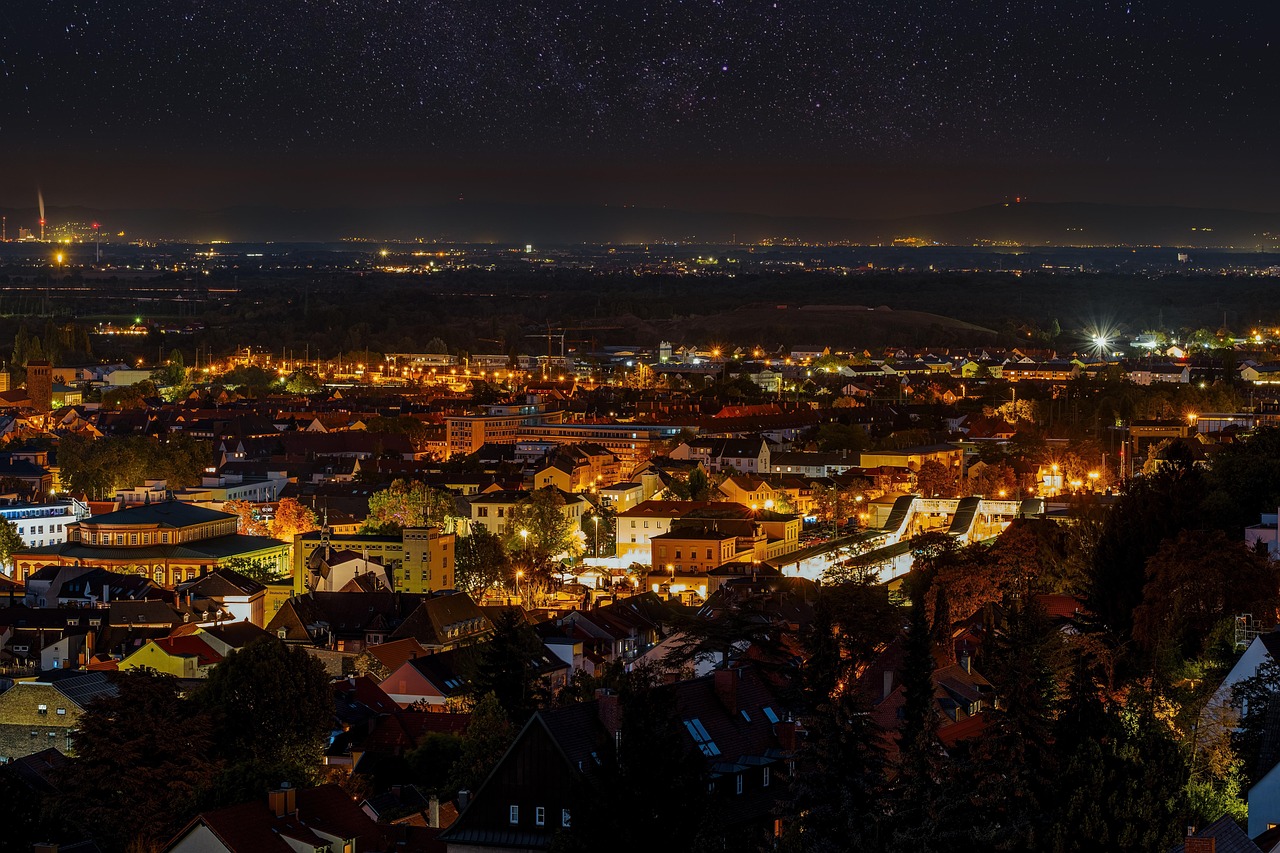
A rooftop is the closest thing most city dwellers have to a dark-sky site. You get a wider horizon, less interference from street-level lights, and often a breeze that clears away some of the haze. But rooftops are not magical. They have their own problems, and the difference between a great rooftop session and a miserable one usually comes down to preparation. Here is what I have learned from years of hauling gear up stairwells and setting up between ventilation units.
First, access. Not every building lets you on the roof, and the ones that do often have rules. Talk to your building manager before you plan anything. Explain what you want to do, when, and for how long. Most people are fine with it if you are upfront. If you are in a building with a locked roof door, do not try to prop it open or bypass the lock. That is a fast way to lose access for everyone. If your building does not allow roof access, look for a friend's building, a community center, or a parking garage top level. The principles are the same.
Safety and Setup Before the Stars Come Out
Rooftops are dangerous in the dark. There are vents, pipes, uneven surfaces, and edges that are hard to see. Do your first setup in daylight. Walk the space. Find a flat spot away from the edge and away from anything that hums or vents heat. Mark your spot if you can. Bring a red headlamp and a small mat or stool. Wear shoes with grip. If the roof has a parapet, use it to block wind and stray light, but never lean over it.
Heat and vibration are the hidden enemies. Air conditioning units, exhaust fans, and elevator machinery all produce heat plumes that will ruin your views, especially when you are trying to split double stars or observe planets at high magnification. Set up as far from these as possible, and if the whole roof is covered in equipment, consider a different night or a different location. A steady image is worth more than a high vantage point.
Power is another consideration. If you are using a goto mount or a camera with a dew heater, you will need a battery. Extension cords are a tripping hazard on a roof, so use a portable power station or a battery pack. Keep your cables short and taped down. And bring a tarp or a cover for your gear in case the weather turns. Rooftops are exposed, and a sudden drizzle can end your night faster than clouds.
What Rooftops Are Actually Good For
Rooftops are excellent for lunar and planetary observing because you get a clean horizon and less atmospheric turbulence than you would at street level. They are also good for wide-field constellation photography if you can point away from the worst of the city glow. They are not good for deep-sky objects. Even a rooftop cannot escape the skyglow of a major city, and faint nebulae and galaxies will still be washed out. Know what you are there for.
The best rooftop sessions are short and focused. Pick two or three targets. Set up, observe, and pack up before you get cold or tired. Rooftop observing is not about marathon nights. It is about stealing an hour of better sky from a city that does not want to give it to you. Treat it as a privilege, leave the space cleaner than you found it, and you will be welcome back.