Seasonal City Skywatching: What to Look For Month by Month
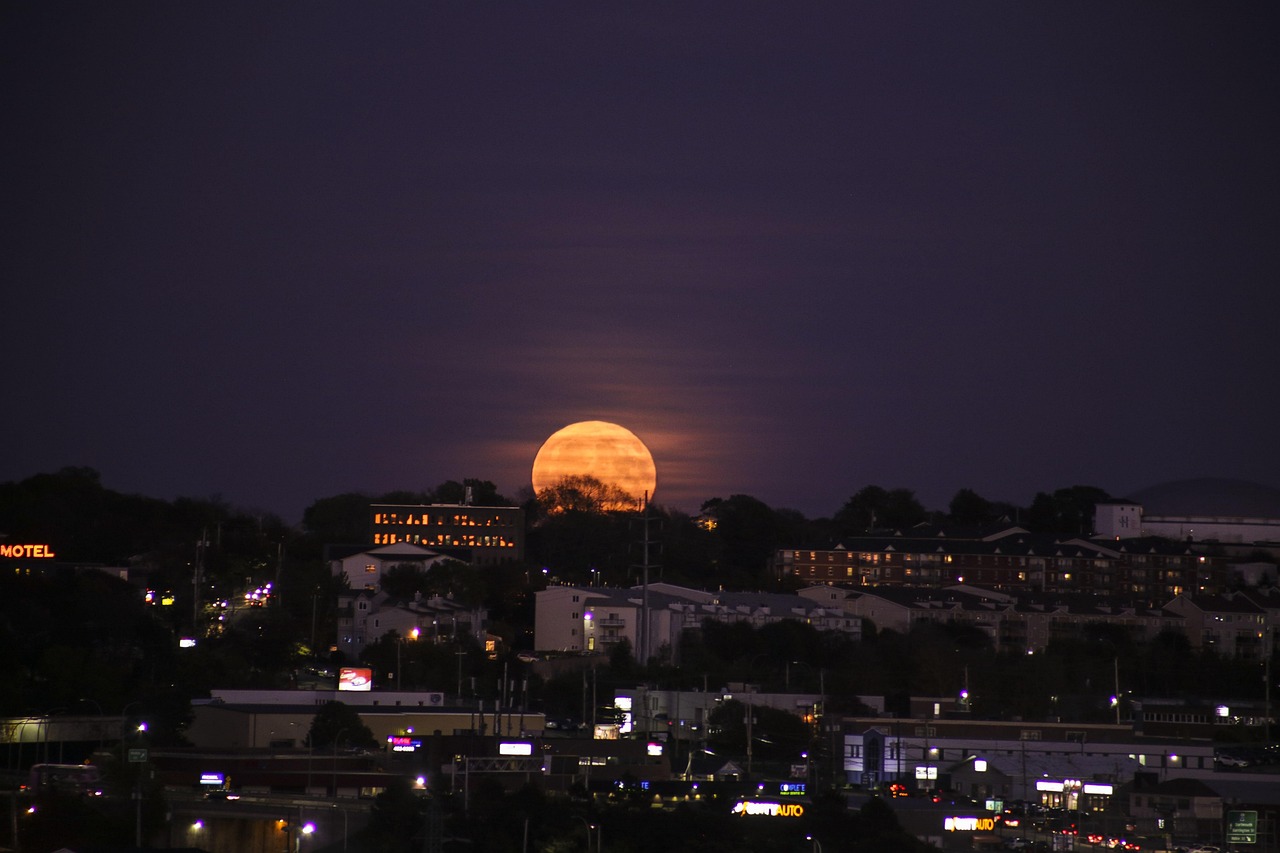
One of the quiet pleasures of stargazing from a city is noticing how the sky shifts through the year. The same balcony, the same rooftop, the same park bench — but a different set of stars, planets, and moods. Learning the seasonal rhythm gives you something to look forward to and helps you plan nights out when the sky is most likely to cooperate.
This isn't a rigid calendar. Weather, latitude, and local conditions vary, and planets move on their own schedules. But the broad patterns are reliable enough to build a habit around, and they give a city stargazer a reason to step outside even when the sky isn't perfect.
Winter: Crisp Air and Bright Constellations
Winter is often the best season for urban observing, especially in colder climates. The air is frequently clearer, haze is reduced, and the bright winter constellations dominate the evening sky. Orion is the anchor — its three belt stars are visible from almost any city, and the surrounding stars of Taurus, Gemini, and Canis Major fill out the scene. Sirius, the brightest star in the night sky, blazes low in the southeast on winter evenings and is one of the few stars that truly cuts through light pollution.
Winter is also a great time for planet viewing. Jupiter and Saturn are often well-placed, and Venus can be brilliant in the evening or morning sky depending on the year. The trade-off is the cold. Dress in layers, keep your hands warm, and limit sessions to thirty or forty minutes. A thermos of something hot makes a real difference.
Spring and Summer: Galaxies, Clusters, and Warm Nights
Spring brings the Big Dipper high overhead and, with it, a gateway to the deeper sky. Under dark conditions this is galaxy season, but from a city you'll mostly be limited to bright clusters and double stars. That's fine — the Beehive Cluster, the Double Cluster in Perseus, and the bright stars of Leo and Virgo are all reachable with binoculars. Spring evenings are often mild, which makes longer sessions more comfortable.
Summer is the season of the Milky Way, though city dwellers usually see it as a faint band rather than a dramatic river of light. Even a hint of it is worth finding. Look for the Summer Triangle — Vega, Deneb, and Altair — which is easy to spot and serves as a signpost to brighter clusters and nebulae. The Moon and planets remain reliable targets, and warm nights make it easy to stay out longer. Watch for the Perseid meteor shower in August, which can produce visible meteors even from light-polluted locations.
Autumn is a transitional season. The summer triangle sinks westward, Pegasus and Andromeda rise, and the Andromeda Galaxy becomes a binocular target for those with reasonably dark local skies. It's also a good time to catch Jupiter and Saturn as they return to the evening sky. The air can be hazy, but clear autumn nights are some of the most comfortable for observing.
The real lesson of seasonal skywatching is rhythm. Each season offers something the others don't, and paying attention to that rhythm turns stargazing from an occasional hobby into a habit. You don't need a dark sky to notice the year turning overhead. You just need to look up.